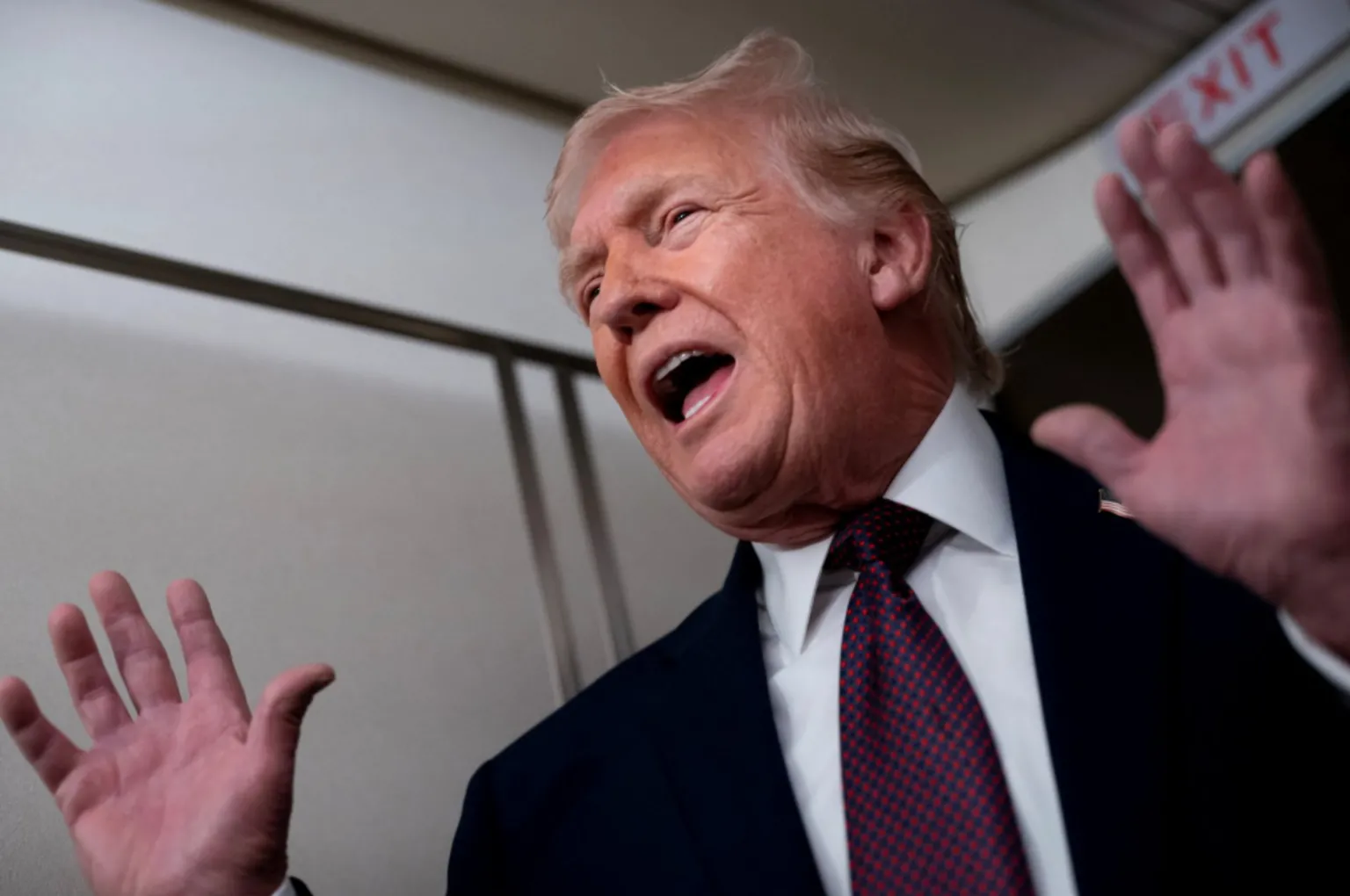
President Donald Trump is doubling down on affordability in 2026, rolling out bold moves that promise relief for everyday Americans — but could they backfire with higher prices, tighter credit, or job shifts?
In a Truth Social post on January 9, Trump declared: “Effective January 20, 2026, I, as President of the United States, am calling for a one year cap on Credit Card Interest Rates of 10%.” This revives a 2024 campaign idea amid average rates hovering near 20-22%.
Just days later, in a January 13 speech to the Detroit Economic Club (with Ford execs in tow), he teased more plans: housing reforms, health care transparency, and a vision where AI and robots create “so many jobs we don’t have enough people to fill them.” Tariffs remain central, touted as funding rebates and boosting manufacturing.
Is this the fix for squeezed wallets — or a risky mix of populism and protectionism? Let’s break it down section by section, with data, pros/cons, and what it could mean for your finances.
1. The 10% Credit Card Interest Rate Cap: Relief for Borrowers or Credit Crunch?
Trump’s cap targets the pain of high-interest debt. Americans hold over $1.23 trillion in credit card balances (Fed data), with average APRs at ~22% — up sharply since 2020 due to Fed hikes and delinquencies.
Pros:
- Huge savings: For someone carrying $6,000 balance at 20%, monthly interest is ~$100. At 10%, it drops to $50 — potentially $600/year saved per household.
- Bipartisan appeal: Echoes bills from Bernie Sanders and Josh Hawley (10% cap for years). Could help millions, especially lower-income users.
- Political win: Trump frames it as stopping “rip-offs” from banks thriving under Biden-era policies.
Cons & Risks:
- Banks warn of fallout: Trade groups (ABA, Bank Policy Institute) say a cap would “reduce credit availability” and be “devastating” for subprime borrowers. Shares of Capital One (-6-7%), Visa, Mastercard, JPMorgan dipped after the announcement.
- Implementation unclear: Needs Congress or voluntary bank action (pressure via public shaming?). No executive order details yet — likely political leverage.
- Side effects: Lenders might hike fees, cut rewards, or tighten limits. Experts predict fewer cards issued, especially for risky borrowers.
Here’s a quick comparison table:
| Aspect | Current Reality (2026) | Under 10% Cap (1-Year) | Likely Real-World Impact |
|---|---|---|---|
| Average APR | 19-22% | Capped at 10% | Lower monthly payments for many |
| Credit Access | Broad (even subprime) | Reduced for low-credit users | More denials, especially young/low-income |
| Bank Profits | High from interest | Lower revenue → fees/rewards cut? | Potential hidden costs rise |
| Consumer Savings | N/A | $200-600/year for average debtor | Short-term win, long-term credit squeeze? |
Bottom line here: Short-term relief for cardholders carrying balances, but watch for reduced access. If banks comply voluntarily (under pressure), it could stick; otherwise, Congress must act.
[Suggest Image Here: Graphic of credit card with “10% CAP” overlay, or Trump Truth Social screenshot]
2. Tariffs: Bringing Jobs Back or Raising Prices on Everything?
Trump credits tariffs for “historic” economic strength — claiming they fund investments and reduce deficits. New/expanded tariffs (e.g., 10-60% on various imports, higher on China) aim to reshore manufacturing.
Pros (Trump’s View):
- Revenue & jobs: Tax Foundation estimates $143B+ in 2025 revenue (largest tax hike since ’93). Funds potential rebates or military.
- Manufacturing boost: Some factories return; Trump highlights auto investments.
- “Mister Tariff” narrative: Stock market highs partly credited to this.
Cons & Economic Reality:
- Household costs: Tax Foundation/TPC models show $1,100-2,100 average burden per household in 2025-2026 (higher import prices on goods like electronics, furniture).
- Inflation drag: Goldman Sachs links tariffs to +0.5% inflation in 2025; Oxford Economics sees 1.1-1.4% GDP hit.
- Delayed/full effects: 2025 impacts muted by exemptions/carveouts (e.g., USMCA goods); economists say 2026 brings bigger sting unless scaled back.
- Retaliation risk: China/EU could hit back, hurting exports.
Table of potential impacts:
| Tariff Type/Example | Rate/Target | Estimated Cost to Households (2026) | Job/Industry Effect |
|---|---|---|---|
| Broad 10% Universal | Many imports | $1,500+ average (Tax Foundation) | Some reshoring, but higher consumer prices |
| China-specific hikes | Up to 60% on key goods | Electronics/appliances up 10-20% | Mixed: Factory jobs vs. retail losses |
| Auto/Heavy Trucks | 25%+ | Car prices rise | Boost to US makers like Ford? |
Verdict: Tariffs generate cash and protect some industries, but most economists say they act as a tax on consumers — with 2026 likely seeing clearer price hikes unless exemptions expand or SCOTUS rules limit them.
3. Robots & AI: “So Many Jobs” We Need Robots to Fill Them?
Trump dismisses job loss fears: In a January 8 NYT interview, he said AI creates “tremendous” jobs, with robots filling gaps. Commerce Sec. Howard Lutnick meets robotics CEOs (Boston Dynamics, Apptronik) for a 2026 push — executive order rumored to counter China’s lead (1.8M+ industrial robots vs. US lag).
Pros:
- Productivity boom: Robots augment workers (e.g., maintenance jobs rise); Trump sees “abundance” from AI/robotics.
- Global edge: Fight China’s manufacturing dominance; Tesla Optimus scales 2026.
- New opportunities: High-tech roles in robot oversight, AI integration.
Cons:
- Displacement risk: Automation already cut routine jobs; tariffs + robots = factories with fewer humans.
- Inequality: Gains concentrate in tech; Oxford economists warn of wage drops.
- Paradox: Trump promises manufacturing revival, but robotics could automate reshored work.
This ties into affordability: Cheaper production via robots could lower goods prices long-term — but short-term job shifts hurt workers.
Overall Verdict: Cheaper Life or More Expensive?
Trump’s 2026 plan mixes populist wins (credit cap relief, tariff-funded ideas) with risks (inflation from tariffs, credit squeeze, automation disruption).
Short-term: Credit cap could ease debt pain; tariffs might fund rebates. Long-term: Economists lean toward higher costs/inequality unless balanced carefully. Affordability remains voter #1 issue — midterms loom.
Trump’s Detroit speech emphasized more coming (housing ban on big investors, health care framework). If executed well, it could deliver; if not, backlash grows.
What do you think — game-changer for wallets, or risky gamble? Drop a comment or poll below!
FAQs
What is Trump’s credit card cap exactly? A proposed 1-year limit to 10% APR starting Jan 20, 2026 (announced Jan 9 on Truth Social). Details pending — likely pressure on banks or legislation.
Will tariffs raise prices in 2026? Most models say yes — $1,500+ household hit from higher import costs, though exemptions soften it.
Are robots taking jobs under Trump? Trump says no — they fill gaps from AI boom. Critics say automation accelerates displacement.
Sources: Truth Social posts, NYT/CNN/BBC interviews, Tax Foundation/TPC models, Fed data.
Share if this breakdown helped — let’s discuss in comments!
Leave a Reply